What Executives Get Wrong When Buying a Second Home
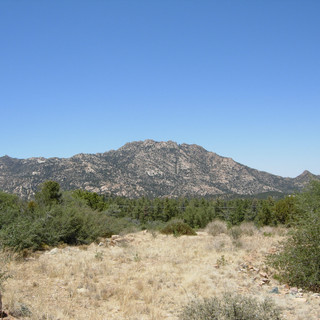
Most executives are good at making decisions. That's not the problem. The problem is that buying a second home involves categories of knowledge most people don't use regularly — and the gaps show up later, after the paperwork is signed.

Here are the mistakes worth avoiding:
Relying on the seller's agent. The seller's agent works for the seller. This is not a technicality — it's a fiduciary relationship that runs in the opposite direction from your interests. You need your own agent, with a legal duty to you and only you. In a market like Prescott, where the homes often sell themselves, a good buyer's agent isn't there to generate enthusiasm. They're there to ask hard questions on your behalf.
Skipping or shortchanging the inspection. A general home inspection is baseline. What many buyers don't realize is that it's the optional inspections — the ones you have to specifically request — that tend to find the expensive surprises. In Arizona, that means things like a separate roof inspection, a sewer scope, a structural engineer's review if there's any indication of settling or hillside construction, and a pool and spa inspection if the property has one. Each of these costs a few hundred dollars. Each of them can save you tens of thousands.
Ignoring what a contractor would catch. This is where buyers without a construction background get hurt. A general inspector tells you what's there. A contractor tells you what it's going to cost and how long it'll take. Those are different conversations. When I walk through a property, I'm estimating remediation costs on the fly — a soft fascia board, aging HVAC, a kitchen that "just needs updating." That update might be $15,000. It might be $60,000. The difference matters when you're negotiating a price.
Underestimating carrying costs. HOA fees, property taxes, insurance, maintenance, utilities you're paying whether you're there or not. A second home has a monthly cost even when you're in Phoenix. Run the real number before you fall in love with a property.
Buying too far away. The second home that works is the one you actually use. If the drive feels like a commitment every time, you'll go less. You'll justify selling it in two years. Prescott is close enough to Phoenix that a long weekend is realistic on a moment's notice. That proximity isn't a compromise. It's the reason the asset actually functions as intended.
The homes in Prescott are genuinely good. The lifestyle is real. But buying right means going in with your eyes open — and ideally with someone in your corner who's done this enough times to know where the problems hide.


Comments